In currently’s rapidly-paced digital landscape, enterprises need to process data in real time, scale seamlessly, and supply smooth consumer ordeals. Standard ask for/response devices frequently slide short underneath these demands. That’s the place Party-Driven Architecture (EDA) is available in—a design paradigm centered all around producing, detecting, consuming, and reacting to functions.
What is Function-Pushed Architecture?
Party-Driven Architecture (EDA) is a modern software package design strategy that organizes units across the principle of situations. An event is any considerable transform in point out or occurrence inside a technique—for instance a customer putting a web based get, a payment being authorized, or even a sensor recording a temperature spike. In place of products and services directly requesting info from each other, they convey by making and reacting to those gatherings.
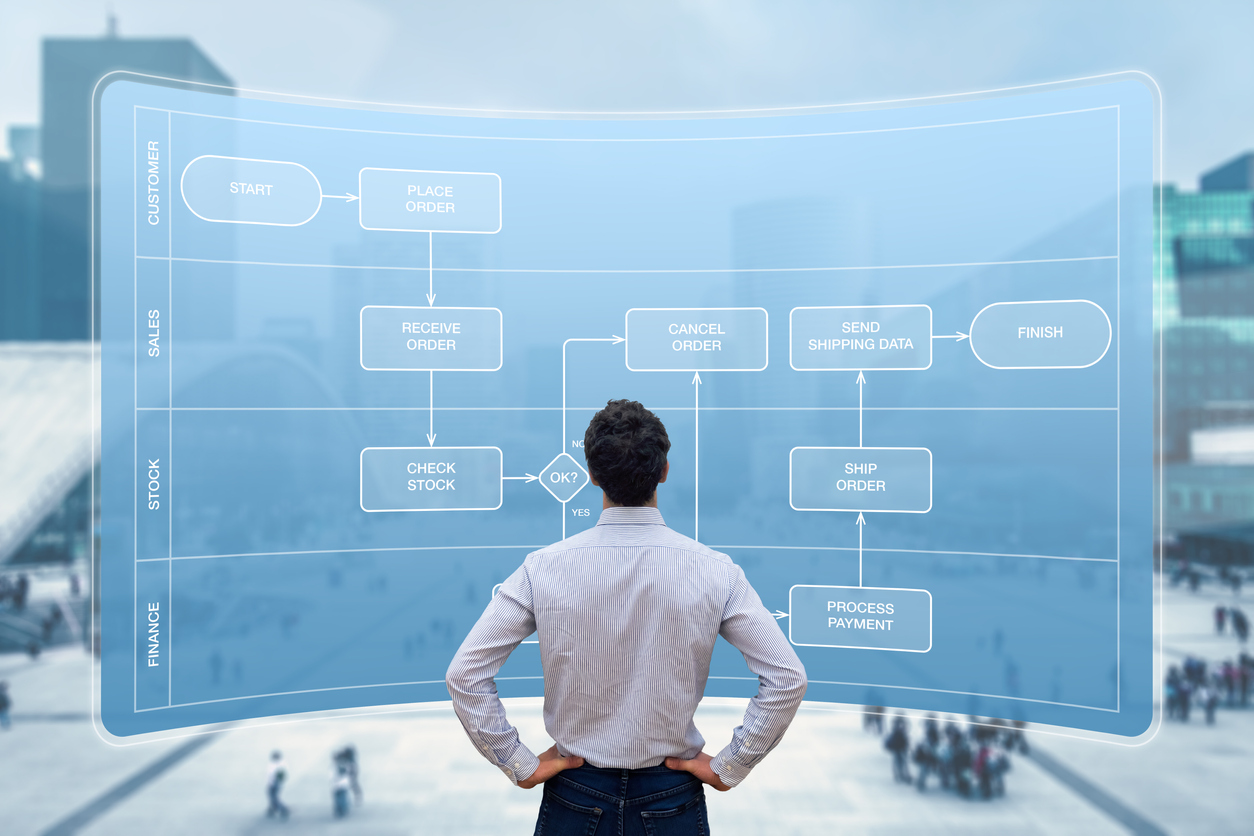
In EDA, a few Main factors do the job together: event producers, event brokers, and occasion shoppers. Producers create activities Each time anything significant takes place. These functions are despatched to an celebration broker (for instance Apache Kafka, RabbitMQ, or AWS EventBridge), which functions as being the central hub for distributing them. People then subscribe to and course of action the gatherings suitable to them. Such as, when an buy is positioned, one particular support may well deal with payment, An additional might update stock, and a 3rd may well send the affirmation e mail—all activated instantly by exactly the same event.
The key benefit of this technique is decoupling. Producers don’t want to understand which services will take in their activities, and customers is usually extra or taken out with out disrupting present processes. This flexibility allows methods to scale more quickly, integrate new operation more rapidly, and react in serious time.
EDA is particularly helpful in fashionable use scenarios like e-commerce, monetary transactions, World-wide-web of Factors (IoT) methods, and microservices architectures where by asynchronous conversation and responsiveness are significant. Even so, Additionally, it introduces new complexities, for instance handling celebration ordering, dealing with duplicates, and ensuring eventual consistency.
In essence, Party-Driven Architecture shifts the main target from asking for knowledge to reacting to vary. It enables corporations to construct software package that's additional agile, scalable, and aligned Using the dynamic, true-time mother nature of right now’s electronic environment.
When to utilize Celebration-Pushed Architecture
Occasion-Driven Architecture (EDA) will not be a 1-measurement-suits-all solution, nevertheless it excels in predicaments where responsiveness, scalability, and flexibility are vital. Recognizing when to adopt this design and style technique may also help organizations increase its strengths even though avoiding pointless complexity.
Among the finest use scenarios for EDA is in serious-time applications. Methods that demand quick responses—like fraud detection in banking, Stay notifications on social media marketing, or IoT equipment checking sensors—profit greatly from EDA’s ability to react the moment an occasion happens. As opposed to expecting scheduled checks or guide triggers, functions quickly push actions.
EDA also thrives in very scalable environments. Due to the fact function producers and buyers are decoupled, Every single element can scale independently. This makes it especially beneficial for e-commerce platforms, streaming solutions, and ride-hailing applications, wherever desire can spike unpredictably. Programs can manage sudden surges without bottlenecks, as consumers is usually scaled up to fulfill the load.
One more robust use case is complex workflows throughout a number of techniques. For instance, in supply chain administration, an purchase event can trigger stock checks, delivery updates, and client notifications—all coordinated asynchronously with no one place of failure.
EDA can be a organic suit for microservices architectures. Microservices reap the benefits of unfastened coupling, and EDA supplies a means for them to speak successfully without having creating restricted dependencies. This results in extra agile, resilient, and maintainable programs.
Nevertheless, EDA is not really excellent for every condition. For programs demanding rigid, synchronous consistency—like some fiscal accounting methods—a ask for/response product could be more simple and a lot more reliable.
In summary, Celebration-Driven Architecture is ideal used when programs need to react immediately, scale dynamically, and manage dispersed processes seamlessly. It transforms programs from remaining passive info pollers into agile devices that adapt immediately to alter.
Why Use Party-Driven Architecture?
Celebration-Pushed Architecture (EDA) provides important pros for companies aiming to develop units which can be agile, scalable, and aware of improve. As opposed to common ask for/reaction styles, EDA lets apps to react quickly to functions, which makes it properly-suited for right now’s dynamic digital environments.
One of the main good reasons to make use of EDA is adaptability. Producers of gatherings don’t need to have to learn who consumes them. This decoupling implies that services can evolve independently. For example, for those who insert a whole new services to deliver press notifications when an buy is positioned, it may just subscribe to the existing get function devoid of altering the producer or other shoppers. This makes EDA perfect for systems that really need to adapt and expand quickly.
Yet another vital advantage is scalability. Considering that factors are loosely coupled, Each individual can scale By itself determined by need. Superior-targeted visitors expert services, like payment processing in e-commerce, can deal with spikes independently without impacting unrelated units including stock or analytics.
EDA also improves resilience. If a customer company is briefly down, the event broker makes sure that the event is stored and sent when the assistance recovers. This reduces the risk of data reduction and allows units to maintain performance even though some pieces are unsuccessful.
Moreover, EDA enhances effectiveness and effectiveness. Methods don’t squander methods polling for updates. As a substitute, they act only when an function occurs. This party-pushed responsiveness results in more rapidly, smoother user experiences, from prompt notifications to true-time analytics dashboards.
Lastly, EDA supports *uture-proofing. As corporations adopt new systems or small business necessities emerge, they can easily insert new shoppers without disrupting current procedures.
In short, employing EDA permits organizations to make techniques that are far more adaptable, scalable, and aligned with real-time expectations—significant pros within a environment more info exactly where agility usually defines achievements.
Considerations Just before Adopting EDA
When Celebration-Pushed Architecture (EDA) delivers overall flexibility, scalability, and resilience, It is far from without difficulties. Ahead of adopting it, businesses should really meticulously weigh the trade-offs and figure out no matter if the advantages align with their requirements and complex maturity.
An important thing to consider is complexity in design and style and functions. Compared with request/response techniques, EDA relies on asynchronous conversation, which could make workflows more challenging to trace. Debugging results in being more sophisticated, considering that figuring out the root reason behind a concern typically necessitates tracing events throughout numerous providers and function streams. Teams must spend money on strong monitoring and logging resources to maintain visibility.
A different element is event buying and duplication. In dispersed programs, activities may not generally arrive within the get they have been created, or They could be sent much more than after. Developers really need to layout idempotent customers (equipped to deal with copy occasions devoid of errors) and account for prospective delays or inconsistencies.
EDA also introduces the strategy of eventual regularity. While this is suitable in lots of use scenarios, it might be problematic in methods that call for demanding, instant accuracy, like particular monetary accounting or compliance-driven purposes. Corporations will have to Examine whether their company processes can tolerate slight delays in data synchronization.
Talent prerequisites existing A further obstacle. Coming up with, deploying, and retaining EDA devices involves specialized understanding in party brokers, messaging designs, and distributed units. Groups may have extra training or new hires, which improves charges.
Ultimately, there is The difficulty of infrastructure overhead. Event brokers and messaging platforms incorporate another layer to handle. While cloud suppliers supply managed services like AWS EventBridge or Google Pub/Sub, counting on them might maximize fees and make seller lock-in.
In summary, EDA is strong although not universally applicable. Organizations should really take into account complexity, regularity needs, infrastructure, and crew abilities before adoption. With the correct planning, EDA can supply huge benefit—without turning out to be an unneeded load.
Conclusion
Celebration-Pushed Architecture is much more than a buzzword—it’s a useful Resolution for making scalable, responsive, and resilient devices within an ever more authentic-time earth. By knowledge when and why to employ it, enterprises can harness its strengths though avoiding avoidable complexity. For lots of modern-day purposes, EDA isn’t just an alternative—it’s getting to be the normal.
Comments on “Demystifying Celebration-Driven Architecture With Gustavo Woltmann”